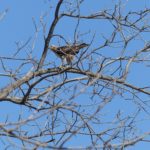
Todd and I sat at the breakfast table – coffee for me and a coca cola for him – looking out the sliding glass doors at the backyard and out into the park beyond. As he half read the newspaper Todd said, “Hey, look in the tree, there is a big bird sitting on that lower branch.” It took me a minute to find the object he was focusing on but sure enough, there in the early morning light, sat a large bird shadowed by snow-covered branches. We are accustomed to having many small birds visit our feeders throughout the winter but to see a predatory bird is rare. And so low and close to the house, seemingly eyeing the park for prey, is exceptional! We watched for a while before going on about our morning.
Both the kids were spending their third day home from school, recovering from a winter virus, not too sick to stay in bed but just miserable enough to lay low. Kael was standing at the same sliding glass doors when he excitedly exclaimed, “There is a fight or something going on in that tree, Mom.” I told him about the large bird his dad and I had seen earlier in the morning. As we watched, snow was flying out of the upper branches and cascading downward. Kael imagined the bird duking it out with a squirrel! Suddenly, the bird dropped from the tree and flopped into the snow. I said to Kael that it looked like a red-tailed hawk. He wasn’t sure he agreed but we thought we should investigate.
Reconnaissance, Research and Rescue
We both hastily bundled up and headed out across the backyard. As we approached the landing zone, the bird jumped away dragging a wing with him. Kael and I agreed on two things: positively a red-tailed hawk and clearly, injured. Knowing any attempt to get closer would exhaust its remaining reserves, we retreated to the house and called for backup. Kael researched online what to do with an injured raptor and settled on the RARE program. According to their website, the program focuses on rescue, triage and long term medical treatment of injured, sick and distressed raptors. Todd and the kids asked for advice on how to gently capture the bird and safely transfer it to the Iowa City facility. They settled on a wool blanket and dog carrier and as the best options.
Injured Hawk
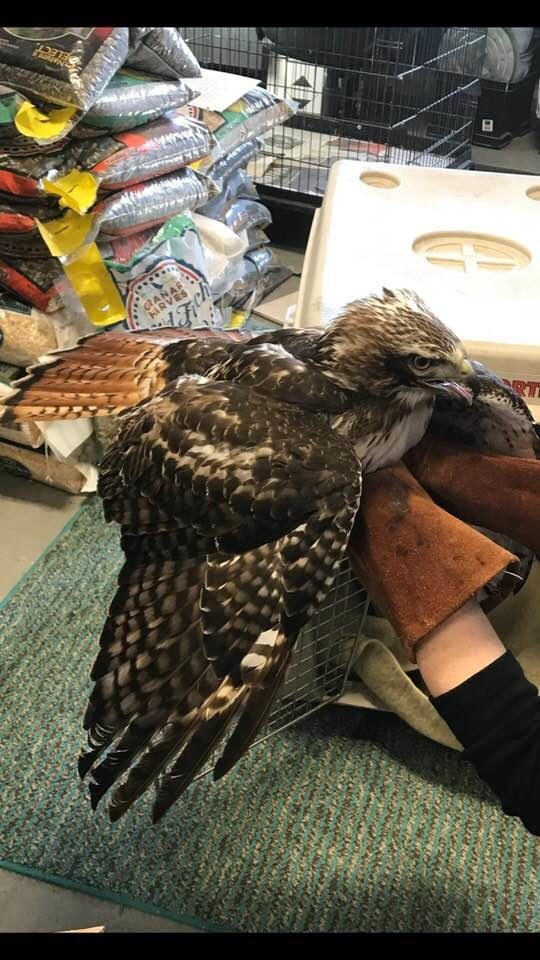
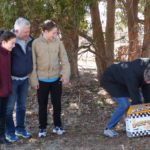
True to February in Iowa, it was sunny and brisk with temperatures in the mid 30s and a breeze that made you think is was much cooler. Todd, Kael and Ava headed out into the park just after lunch to relocate the missing, injured raptor. The guys went to the right toward the ball diamond while Ava intuitively chose to head out the gate to the left. Within minutes, Ava located the injured hawk resting at the base of a crab apple tree. She called the guys over, and taking the advice of the RARE associate, they got just close enough to toss the wool blanket gently over the hawk and then Todd scooped him up! The poor bird was so cold and tired, he didn’t even fuss when they put him in the dog carrier, covered him up again and closed the door. As they drove to Iowa City, they wondered aloud what had happened to it and whether it would recover.
Rehabilitation
When they arrived at RARE, rehabilitator, Nikki Herbst, greeted them, assessed the newest arrival, determining it probably was a male hawk, and told them about what the rehab center does. She even introduced them to some of the permanent residents, those too injured to be released into the wild. “Miss Nikki” wasn’t too optimistic as she assessed the hawk. It seemed too weak to stand on its own, much less eat.
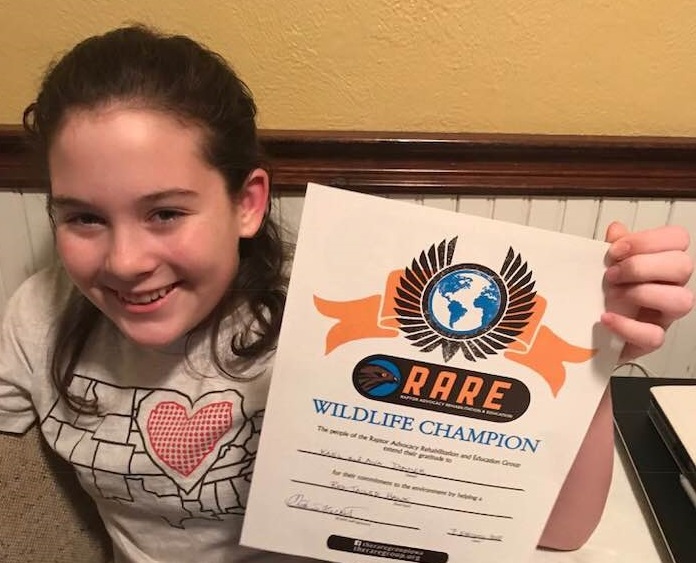
Ava Rare Champion Hawk Award
She was kind enough to award the kids with a RARE Wildlife Champion Award and thanked them for their service. Her parting words were, “No news is good news,” meaning she would only call us if he died. If he were to be released, it would be done with discretion at the same place that the bird was found.
Release
Five weeks later, much to our surprise, we received a joyous call from “Miss Nikki.” She was eager to share the news that our hawk rescue was successful, and he was ready to be released. She wondered if we would like to participate?! She went on to say that he was back to his feisty self and flying around the indoor enclosure as high to the ceiling as he could. He was completely recovered from his injury, a broken femur! We agreed on a time with the place predetermined, the park – just outside our backyard.
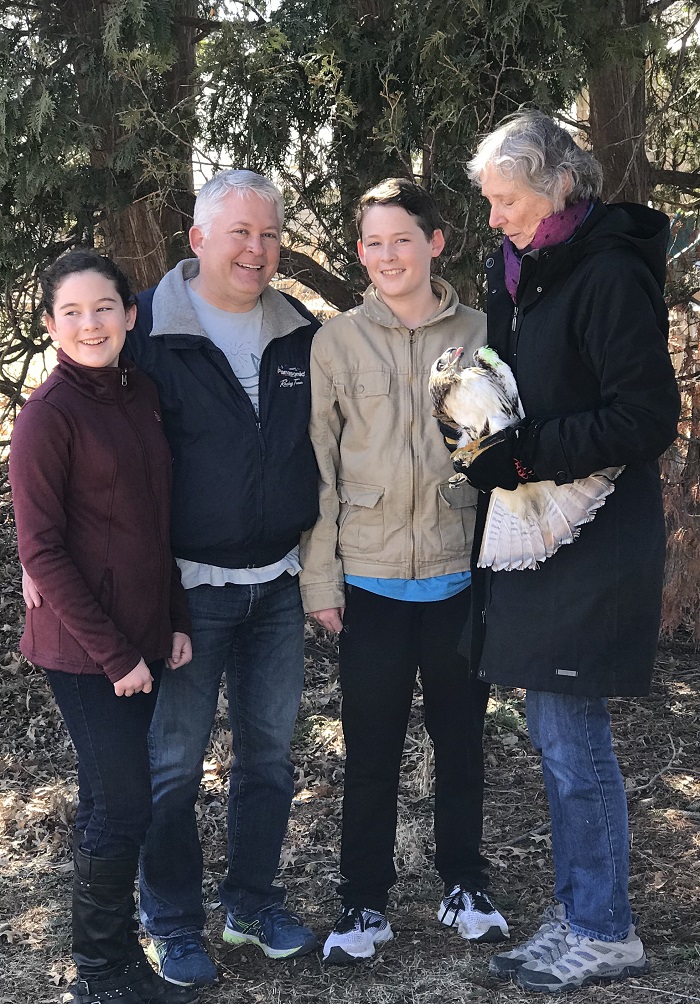
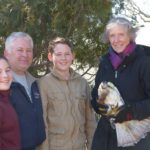
Dimmer family with Nikki and hawk
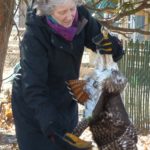
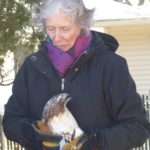
After a few family pictures and with the hawk in a box, “Miss Nikki” coaxed the Red-Tailed Hawk from his cardboard carrier and invited him to see again the park and his home. With a count of one, two and three, she encouraged him into the air and off he flew. He paused for a moment at the top of an oak tree before taking off across the park.
Three cheers for the Red-Tailed Hawk, for lessons learned and for good deeds done!
We have a RARE chance to help out: The Raptor Advocacy Rehabilitation & Education (RARE) is based out of Iowa City and is a 501c3 organization. For more information please visit their website at www.theraregroup.org
Photo Journey of Release
Ava by carrier.
The Dimmer family watches as Nikki brings hawk out of the carrier.
“If we do not permit the earth to produce beauty and joy
it will in the end not produce food either,” Joseph Wood Krutch.
Too many people miss March’s majesty by staying indoors. After all it’s usually too warm to enjoy cross country skiing or ice fishing and it’s too early to plant the garden, go fishing, or play golf. March is the month of mud, fog, slowly melting grit-encrusted snowbanks, and clammy cold.
At Winding Pathways, we defy normal behavior and spend March days outdoors. It’s the month of great change and nature’s cavalcade is there for any observant person to enjoy.
Just consider the earth and how it’s turning toward our sun. Days lengthen the most around the March 21st Vernal Equinox. This means there is more sunlight each day allowing our yard to soak up more solar energy and spark spring’s revival of life.
March is the month to pull on mud boots and venture outdoors with eyes and ears attuned to the great seasonal change upon us. Here are some things to absorb with great joy:
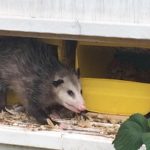
“Possum come aknockin’ at the door.”
Birds.
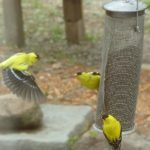
Migration has started. Look up! Way up. Skeins of geese wing high overhead, perhaps so high they are mere specs. Binoculars bring them closer. And their distant and distinct song is music to winter weary ears. Salute their northward journey with a hearty, “Welcome Back!” Many smaller birds are on the prowl, but it may take a close look to notice them. Within a month juncos disappear shortly after red winged blackbirds make their annual debut. Sparrows begin crafting messy nests as goldfinches swap their drab winter outfits for glorious yellow garb. Barred owls fill the night air with haunting cries of WHO COOKS FOR YOU FOR YOU. Sometimes they are in a black oak almost over our roof and startle us awake with their lusty calls.
Mammals.
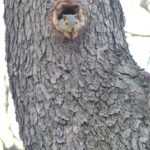
Even as winter’s song hangs on, baby squirrels are nestling in tree cavities and rapidly growing on a diet of mom’s rich milk. Squirrels are among nature’s most attentive mothers. In another month or two they encourage their babies to venture outdoors. Cottontails begin mating, buck deer begin growing new antlers, chipmunks are increasingly active, and raccoons and opossums prowl the nocturnal yard seeking dinner. On warm misty nights they gorge on nightcrawlers that have emerged on the lawn’s surface to mate.
Plants.
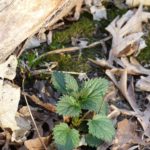
We’re always delighted to find stinging nettles springing out of the still cold earth toward the end of March. There’s no better tasting or nutritious cooked green than a short pile of steaming bright green nettles on the dinner plate. It’s the best time of the year to enjoy tender dandelions leaves in salad. We like the non-bitter blanched leaves discovered under a carpet of oaks. By summer, these leaves are too tough and bitter to enjoy. But, now, they are delicious and nutritious. We can pluck them because we have a spray-free yard.
Spring’s miracle sound.
Sometimes this miraculous sound happens in March but always by early April. Nature’s most promising song comes at vespers each spring, usually in the calendar interval where Easter can fall – March into April. Spring peepers and chorus frogs herald the season each evening. As Christians worldwide celebrate Easter by saying HE IS RISEN, Chorus frogs and peepers enthusiastically seem to announce SPRING IS COMING!
Go Outside! Don’t miss the great vernal seasonal turn. March isn’t a month to huddle by the television. It’s a month to be outside.
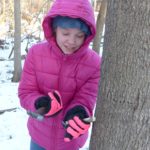
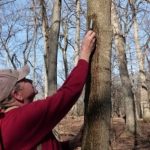
Girls taps a Maple Tree
Nettles are one of the first greens to poke up through the ground.
The lyrics to Enya’s song, “Pilgrim” often roamed through my mind this winter as I walked the Phoenix Harmony Labyrinth in cold and warmth, snow and rain, trudged through deepening snow and slid over the icy path all in a quest to reach Center. Center – a physical, emotional, spiritual goal.
In particular the line: “The road that leads to nowhere, the road that leads to you.”
Sometimes hens go broody at the wrong time of year.
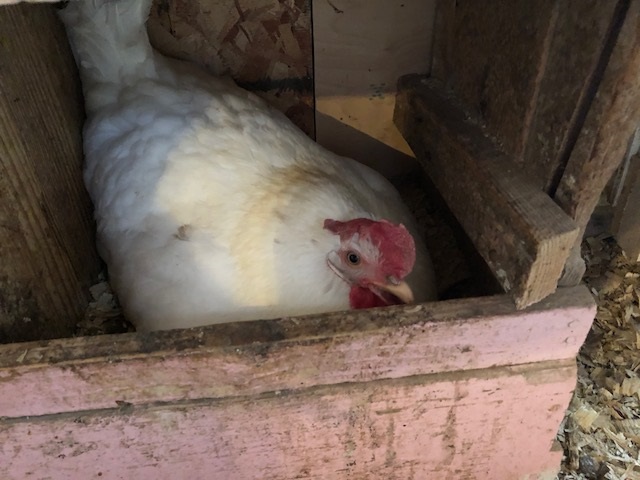
We were surprised when one of our California White hens started acting strangely. She puffed up her feathers, clucked in an unusual tone, and spent hours patiently sitting in a nest box. But. we know she’s not sick. She’s broody and wants to be a mom.
We are not surprised when one of our large brown egg laying hens gets broody. Some breeds have a very strong maternal instinct and often show the maternal instinct. But California Whites are a hybrid of the white egg laying Leghorn breed, which rarely goes broody. In years of chicken keeping, this is the first time a white egg layer has shown a maternal instinct.
When one of our hens goes broody we do one of two things.
Discourage her:
Sometimes a hen goes broody at the wrong time, like December. Since the incubation time for a chicken egg is 21 days,
Since the incubation time for a chicken egg is 21 days, chicks hatching when the January temperatures may be 25 below zero isn’t a good idea. Also, we don’t have a rooster, so all the eggs are hens lay are infertile. Sometimes we discourage a broody hen because we don’t need more chicks.
To discourage a broody hen we move her to a separate coop where she’s alone and there is no nest box. We give her plenty of room and lots of good food and water. Often, she’ll shake the broody habit in a few days and we return her to the main coop.
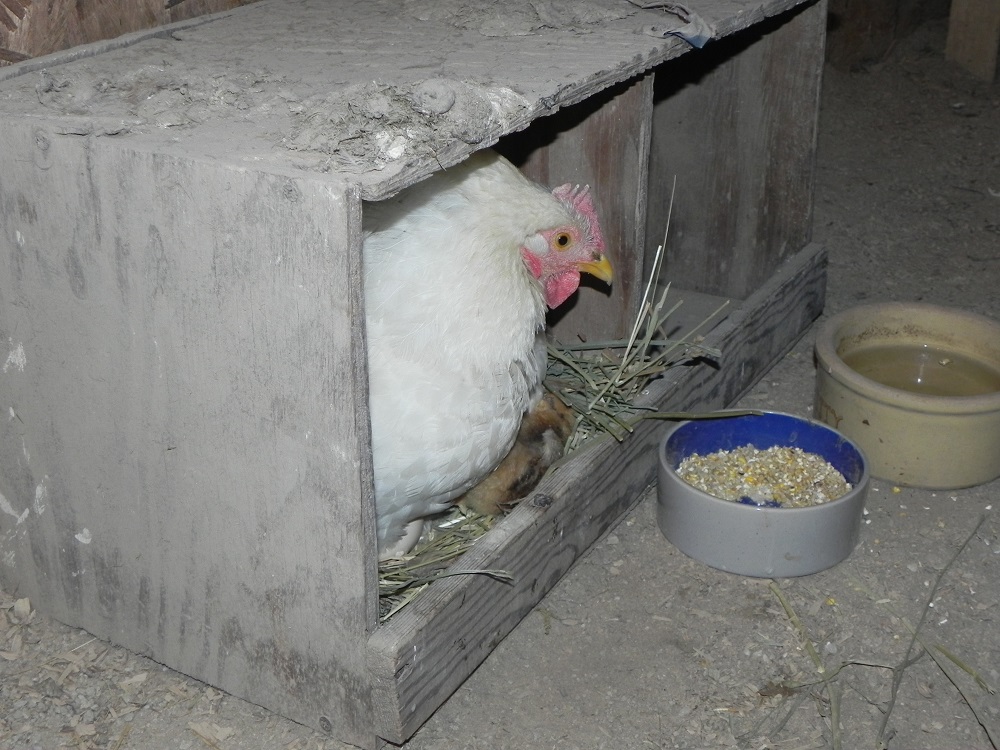
Mother hen with new chick
Encourage her:
The brooding process is fascinating. If a hen goes broody in spring when chicks will hatch during warm weather and we want some more chicks, we’ll encourage her. We move her to her own small coop where she’s away from the other hens, give her a secure nest box, and put eight to 12 fertile eggs under her. If we don’t have a rooster, we’ll swap eggs with a nearby family who does or order fertile eggs online. She’ll sit patiently until the chicks hatch, and then the fun begins. The new mom will lead her babies around the coop, talking to them in chicken language. She’ll show them how to find food and keep them warm by letting them burrow into her feathers. Many hens are ideal mothers that teach and protect their babies. It’s a natural process, fun to watch, and is one of the joys of keeping chickens.
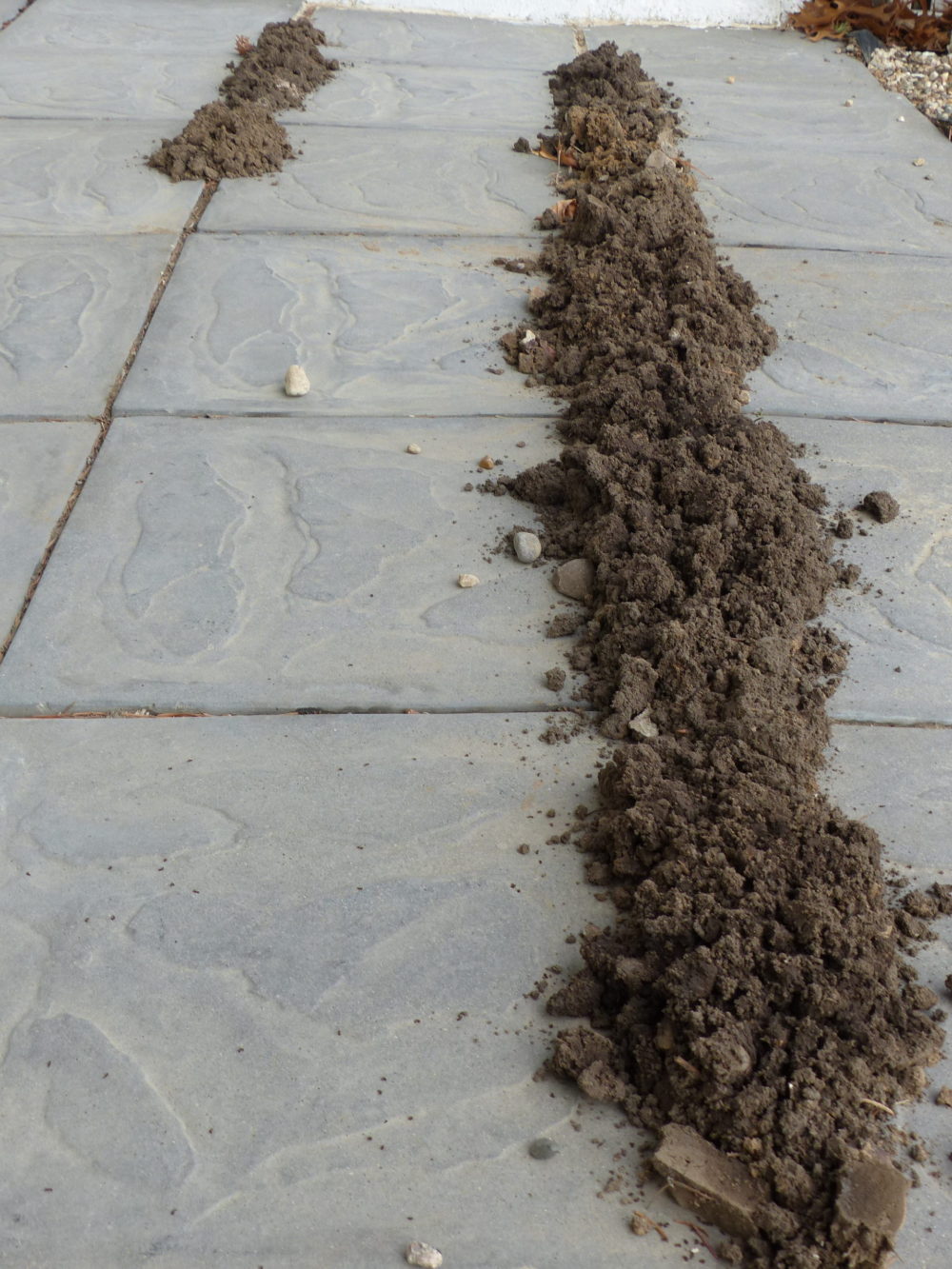
Moles in winter? You bet! We were amused and amazed to look out our den window and see a heaped-up line of topsoil on top of several stepping stones. Even in Winter, our moles are active!
Many people hate moles because their tunneling raises mini ridges in the lawn and their hills smother a patch of grass and get
Moles bring rich dirt from below to the surface as they tunnel along hunting for earthworms and grubs.
caught in a lawnmower’s blades. Some go to great lengths to poison or kill moles.
How Moles Are Helpful
We don’t. They’re amazing animals that provide us with a wonderful service. Their endless digging in search of earthworm and insect meals softens the soil, enabling water to easily percolate in and helping plants grow. The greenest grass of the lawn always seems to be where moles tunneled last year.
Instead of persecuting our moles we simply stomp down the raised tunnels and rake out the mole hill before mowing, and then we quietly thank our subterranean helpers before starting up the lawnmower.
Moles are active all year but the frozen ground is daunting for them. Our January moles were tunneling in the soft unfrozen soil on the south side of the house and under dark stones that catch the sun’s heat and keep the ground underneath them unfrozen. We hope they found some grubs and worms for dinner.
We’re happy to share our yard with moles and appreciate the positive impact they have on the soil. Watch this YouTube Video about moles.