by Winding Pathways | Nov 14, 2019 | (Sub)Urban Homesteading, Chickens
Mealworms in the Snow Mama and Chicks in the Snow
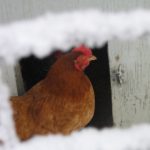
Hens are not dumb clucks!
We were surprised to look out the window on Veteran’s Day morning to see nearly six inches of snow outside. The predicted snow skiff turned into a dump, and we soon fired up the snowblower and put the shovels to use. This much snow in early November is unusual.
Just before we started shoveling, our chickens demonstrated their amazing ability to learn and remember. Every morning we open the pop hole door, and the hens zoom outside with enthusiasm to discover tasty bugs and weed seeds to eat. When we opened the door after the snow, our older hens peered out the door, turned around, and decided the cracked corn we scattered inside the coop was a fine breakfast. They’d remembered snow from last year and knew walking in it yielded cold toes and legs.
Most of our hens are newbies, hatched in mid-July. They’d never seen snow, and when we opened the pop hole door they roared outside, stood perplexed, walked around for a few minutes, and then came right back inside. And, the rooster sang his call from inside. No doubt their toes were cold.
Chickens are often considered witless animals lacking even a shred of intelligence. We know otherwise. Remembering snow proved that our old hens had learned what it was last winter and remembered their cold toe experience over the eight long months since the last frozen white stuff melted. Chickens are no dumb clucks.
by Winding Pathways | Nov 7, 2019 | Nature, Travel/Columns, Trees
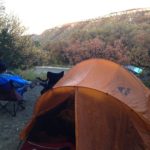
Enjoying Iowa’s forests.
Iowa is one of the states with the fewest trees, yet in the late 1800s we were the Lumber Kings of the World! And,

Notice the tree rings on this wide board from New Hampshire
Clinton, Iowa’s minor league baseball team proudly retains that name – Lumber Kings! Why? Read The Green Gazette (9-29-2019, Living L-09 and 10) to learn about Iowa’s forest industry, where you can camp today in quiet forests and how lumbering put Clinton, Iowa, on the map.
by Winding Pathways | Oct 31, 2019 | Bugs, Garden/Yard, Nature
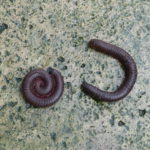
Millipedes are ancient creatures
Many people discovered one of the oldest types of animals in their yards and homes this year. Millipedes. Usually common they have been especially visible in this humid rainy summer and fall.
Millipedes have been around for millions of years doing the world a service. Biologists call them detritivores, which simply means they eat bits of decaying leaves, grass, feces, and other organic matter found nearly everywhere. Scientists call dead material of many origins detritus. To millipedes it’s dinner.
About 12,000 species of millipedes live around the world on all continents except Antarctica. They range from about a quarter-inch to several inches long and most are brown or black. All have two pairs of legs on each body segment. Since they have many segments millipedes have enormous numbers of legs stretching down each side of their body. That doesn’t make them speedsters. Millipedes creep along.
Few animals are as harmless as millipedes. They can’t bite or sting. When threatened millipedes roll up in a ball and play possum, but normally they avoid predators by hiding in detritus or under rocks and logs. Snakes, amphibians, and birds enjoy snacking on them.
Millipedes are sometimes confused with centipedes, but they are distinctly different. Millipedes are sluggish consumers of dead plants while centipedes are swift predators. Both enter homes through cracks and holes in the walls or gaps in doors and windows. Caulking is an effective way to keep them outside.
Millipedes may seem creepy to some people but they have survived for millions of years recycling dead plant material into humus. They deserve our respect.
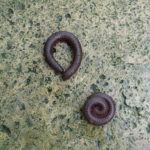
Can you count the millipede legs?
Answer: Millipedes take so long to lace up their shoes that the race is over by the time they finish.
by Winding Pathways | Oct 17, 2019 | (Sub)Urban Homesteading, Preparedness
Note: The below references to companies are Winding Pathways’ own experiences with quality products.
What Are Common Causes of Power Outages?
Usually, people lose electric power because of a tornado, hurricane, blizzard, or a windstorm that blows down trees. We were surprised that Pacific Gas and Electric planned a deliberate outage to prevent sparks from igniting a forest fire like the terrible one that destroyed the town of Paradise. CA, last year.
Interviews with impacted residents on the national news made us realize how unprepared many people are for the loss of electricity. Californians flocked to gas stations and grocery stores to stock up on fuel and food.
Preparation is Best
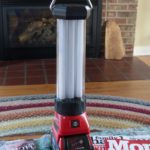
This powerful lantern runs several hours on the battery.
Humans are addicted to the flow of electrons we call electricity. Winding Pathways encourages everyone to prepare for times when power is not there. Several previous blogs detail how families can prepare to ride out an outage in relative comfort
Preparation is neither hard nor expensive. Check our past blogs for detail but here’s the short list of simple items to keep on hand in case the power goes off for a few days:
Basic Items to Consider
Food: A few days’ worth of non-perishable food beats not eating. Dehydrated meals keep nearly forever and canned goods also have a high storage life. When a blizzard approaches people flock to grocery stores to buy milk and bread. Neither is needed. And, milk will spoil if not kept cold. Keep powdered milk and crackers on hand just in case.
Light: Flashlights help people find their way around on dark nights, but they’re not too useful when lots of light is needed for reading or preparing a meal. Modern LED lanterns are ideal for general lighting. Our Milwaukee lamp was made for construction workers but throws out plenty of light and runs all night on one rechargeable battery. We keep a few batteries always charged. Many brands of lanterns are on the market. We recommend that people keep one in the closet to help on dark nights.
Fuel and backup heat: Rather than waiting in line at a gas station when power might go out, simply keep some gas in storage in the garage. Be sure to add a gas stabilizer to it. We rotate our gas in spring and fall by simply pouring the old gas into the car’s tank and then filling the can with fresh gas. We keep ten gallons in storage. Anyone living in a cold climate needs to have a backup plan in case the power goes off. Keeping pipes from freezing is important. See our earlier blogs for tips.
Water: Usually municipal water still flows even if the power goes off but it’s always a good idea to keep several gallons of clean water in storage just in case.
Readers can also go to the American Red Cross and ready.gov for excellent information on preparedness kits.
Modern people rely heavily on electricity but sometimes we have to make do without it.
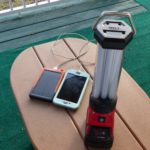
Solar chargers help keep people connected when the power goes out.
Simple preparation makes waiting out an outage comfortable and easy.
by Winding Pathways | Oct 10, 2019 | Nature, Travel/Columns
Guest Blogger Paula Lelansky
My husband and I recently returned from an Alaskan vacation. This is a beautiful place to add to your bucket list! One of the first things I noticed was the clean, fresh air, and then the seemingly unspoiled beauty of Alaska! No matter where we were – in town, the forest or at Denali. The views were breathtaking. Traveling through Denali National Park, we were able to see that “the mountain was out.” This is the locals’ term for being able to see Mt. Denali in all its splendor without cloud cover.
Traveling the White Pass trail to the Summit, blazed by workers in the late 1800s, we marveled at the harsh conditions with which they must have dealt. Taking a kayak paddle near Hoonah, we watched a humpback whale right in front of us – spouting and breaching! We were saddened at seeing the devastation caused by the McKinley wildfire – one of three throughout Alaska this summer.
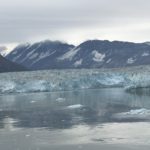
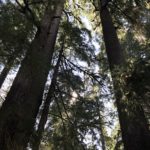
Sailing near Hubbard Glacier, with its beautiful hues of green and blue, we watched as it “calved” – a chunk of the Glacier falling off. Visiting at a dog sled camp and holding the puppies lifted our spirits! Taking a hike through the Tongass National Rainforest, the serene beauty took my breath away. We were enveloped by so much beautiful plant life in the forest. Fireweed, Devils Club and Horsetail, both with medicinal benefits, were abundant. Many different types of mosses, beautiful old towering hemlock and spruce trees, and muskegs (bogs) enchanted us. At a river, a black bear was attempting to catch salmon. After failing, she and her cub decided to follow the river downstream.
The experiences we had in Alaska will always stay with us. I’m ready to go back and spend more time exploring!
A mention about climate change. Due to the extremes in Alaska, climate change is most noticeable there. Glaciers and permafrost are melting rapidly. Hotter temperatures carry into the autumn. Unfortunately, logging in some areas is being considered. A warning to us all to be more mindful of how we live and use resources.
-
-
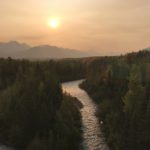
On train-land tour to Denali
-
-
Captivating blue-green of the glacier
-
-
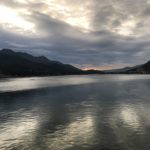
Sailing from Juneau to Skagway.
-
-
Ketchikan – Tongass Rainforest (20)