What a tumultuous year!
Politics, weather extremes, human-created disasters, changes in work, working
through elder matters, untimely deaths. Wow. One could be overwhelmed and, using
an old New England phrase, think, “The world is going to H— in a Handbasket.”
Yet, when we shift the lens of our thinking and move into gratitude,
we begin to appreciate small pleasures and successes and help others move into
more positive places, so they contribute to gratitude and the healing of ourselves,
communities and the world.
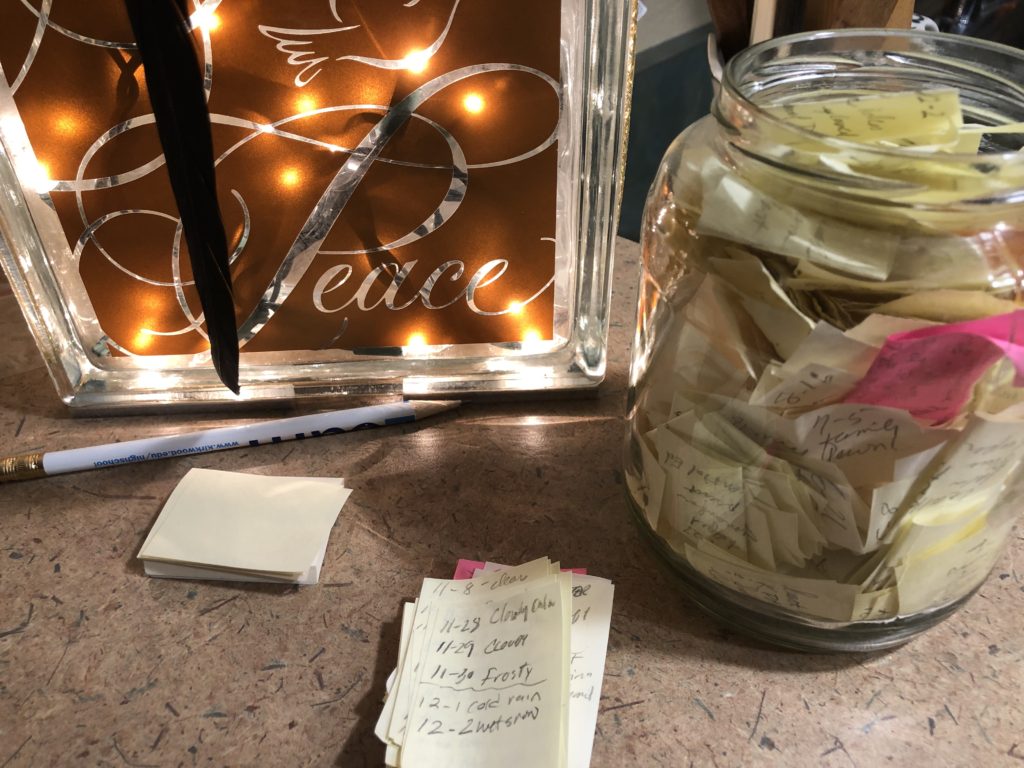
So, here is a random selection from my 2018 Gratitude Jar.
Many gratitudes came from others helping me the many times Rich was East
helping his folks.
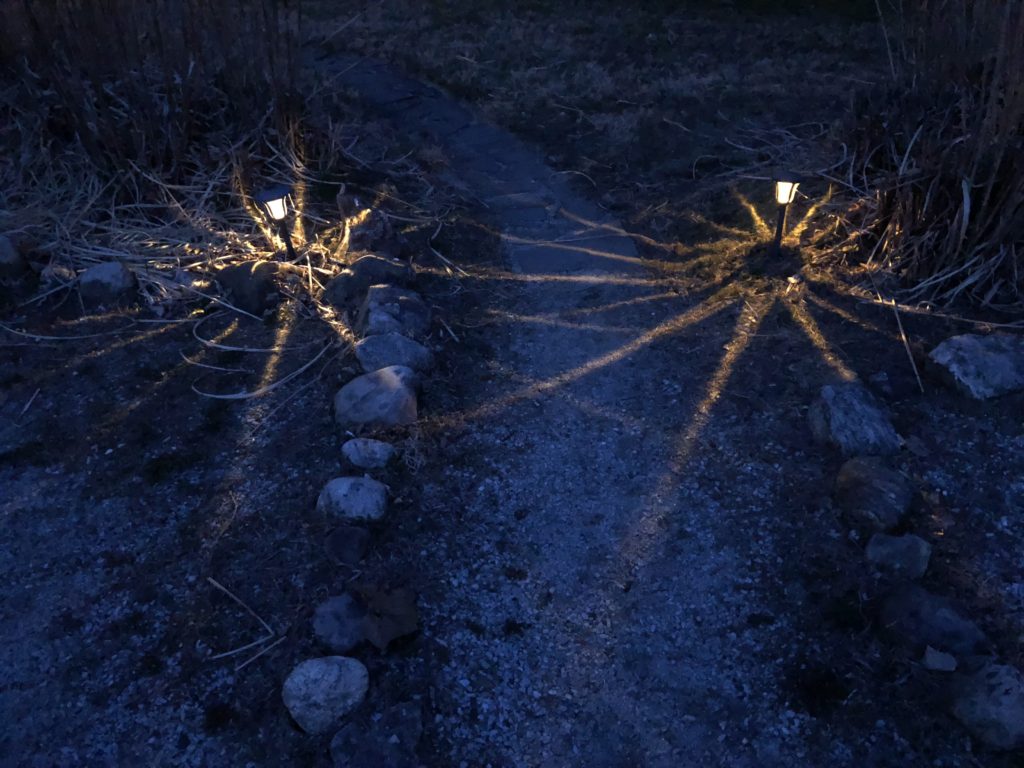
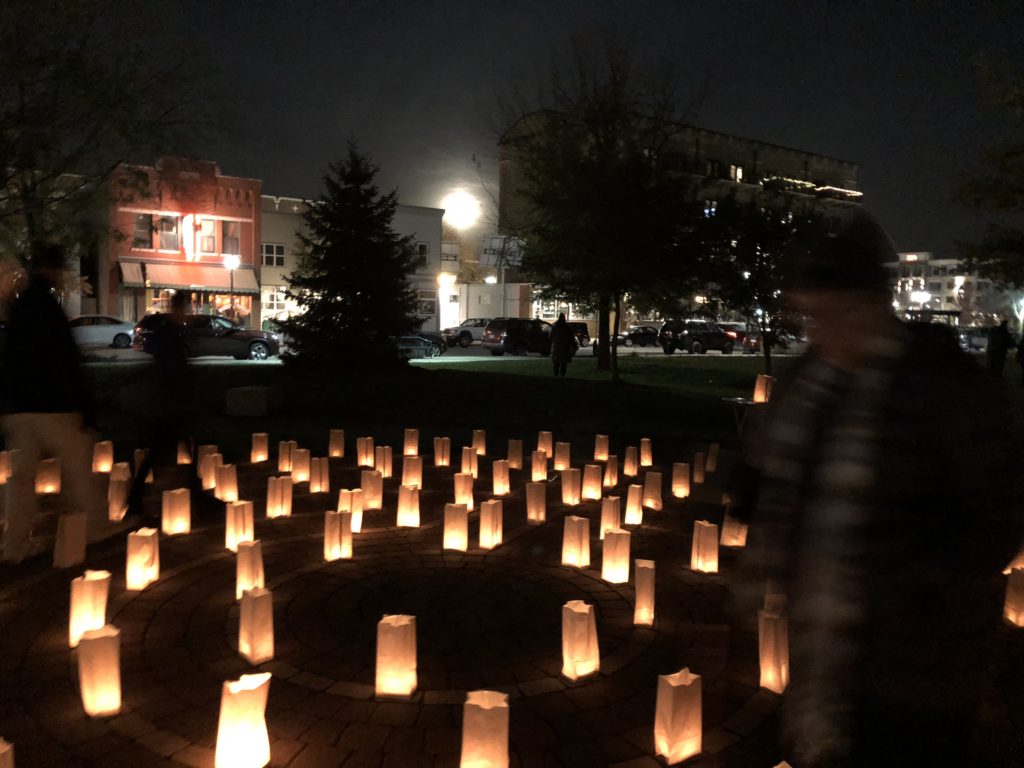
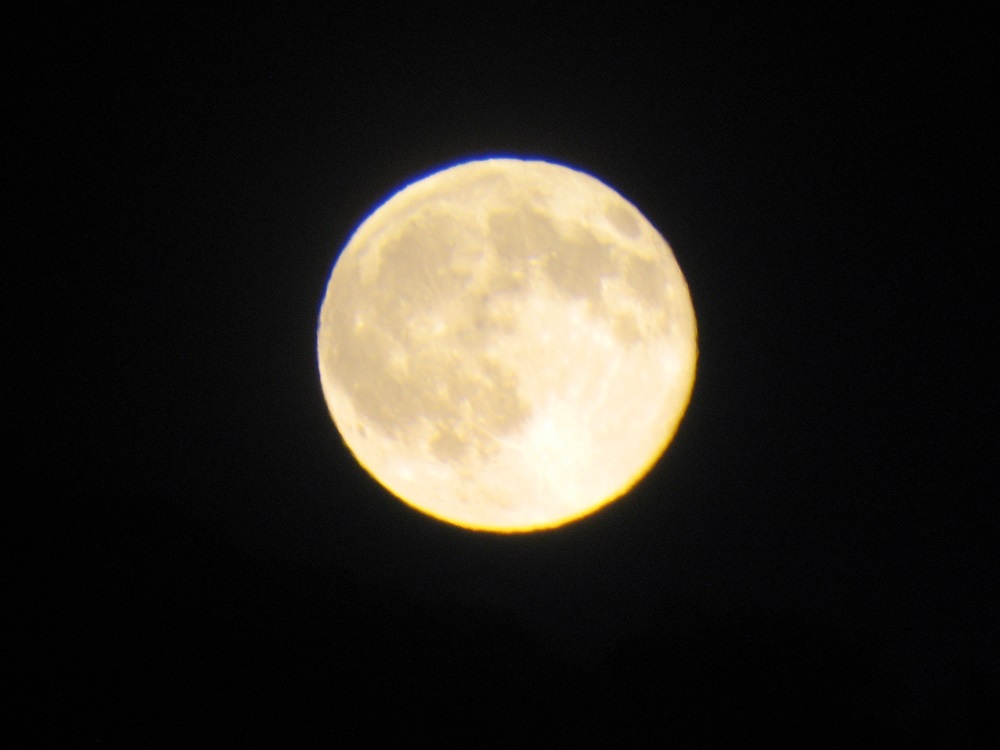
1-1 Walked the labyrinth two times and at the full moon in
the evening.
1-19 Facebook Live we talked about catalogs and treats for
the hens.
2-4 Working with Rich on Hoover Hatchery blog on chicken folklore.
3-25 We met a couple on Cedar Lake Train who feed birds and
noticed eagles.
4-27 Jenn helped me remember how to print PDF of Essential
Ed.
5-8 Dinner with the Ogden/Muchmore.
5-9 Voted.
5-24 A and D engaged!
6-25 Paige at Verizon helped with a discount.
6-27 Savannah helped again with household chores and sanding
the chairs. A really hot time and we did
it!
7-2 Taught with Mary Pathways at KCC.
8-22 Judy S. talked with students for KPACE.
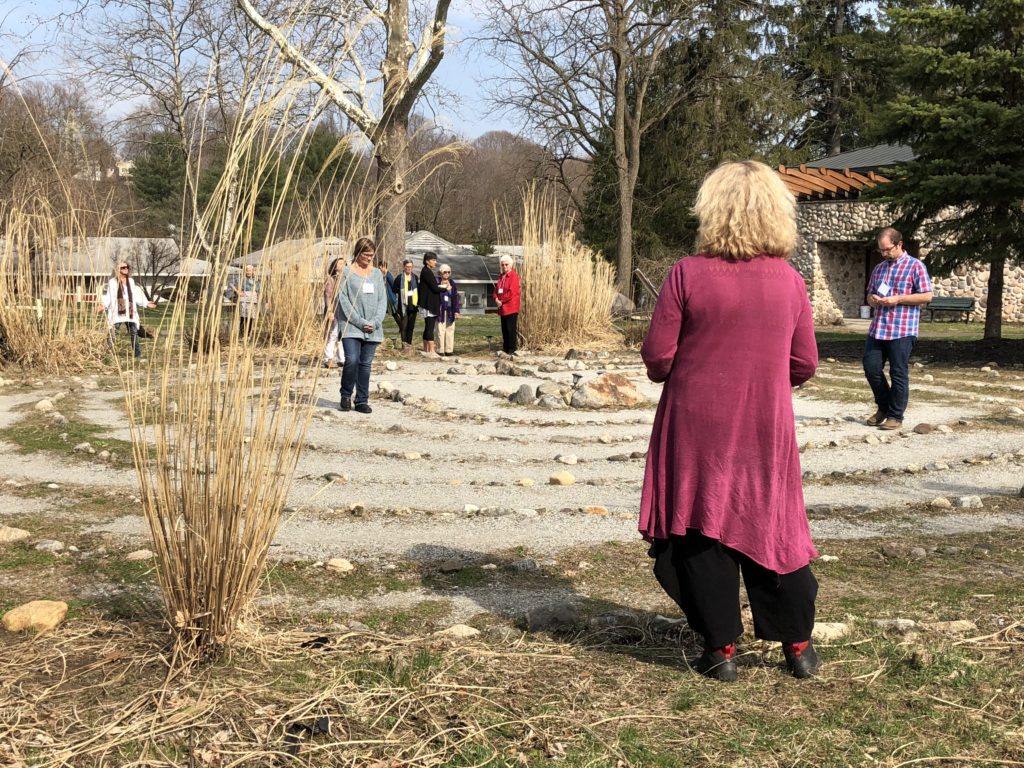
9-1 Edith and Tami at Illuminations labyrinth walk.
10-4 Ellen’s hospitality for Veriditas Council.
second week October travel to Nebraska and South Dakota and meeting the “real Deal”ranchers.
11-27 DJ at the photo shop made great postcards for Winding
Pathways.
12-7 Norma and I had a wonderful talk after class.
12-13 Helped Rachel at PCI.
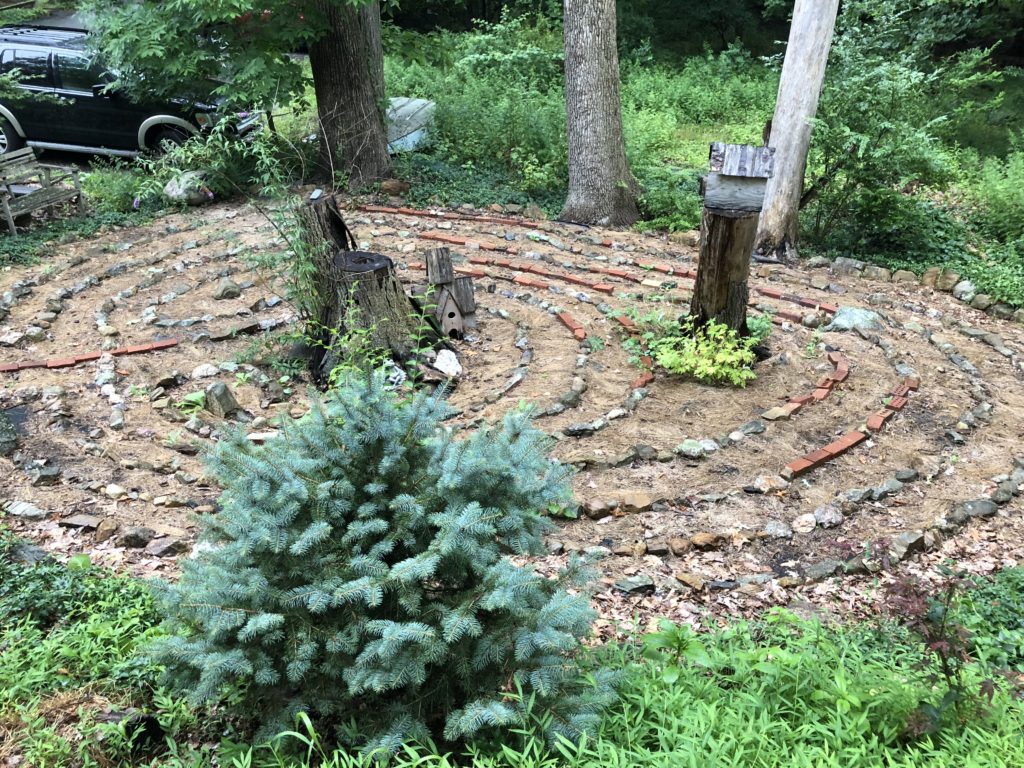
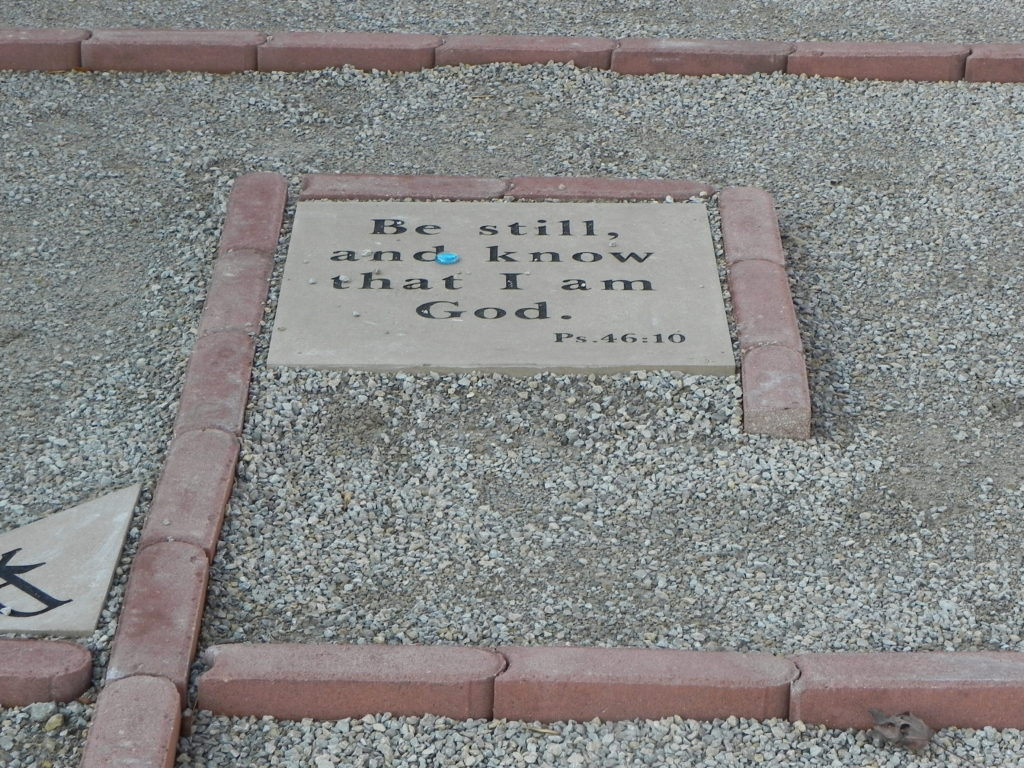
12-26 Walked North End labyrinth in Denville.
I enjoyed this walk down memory lane as I browsed the gratitude
notes and remembered the positives of 2018.
What’s the benefit? We infuse ourselves with a large DOSE
of optimism and improve our health and that of those around us.
Dopamine, the “chemical of reward”, flows into us
when we have accomplished a task and been kind to others. For me, completing tasks I especially do not
want to do has always proved to be helpful. Then, I write these on the
gratitude papers and slip them into my jar!
It’s best when I do the task first. Then, it is off my mind and I am
really pleased. Good habit to develop.
Oxytocin, the bonding hormone that parents especially
feel toward children, is released by gentle and caring touch. My work with Reiki,
Healing Touch Spiritual Ministries and facilitating programs creates
connections and stronger bonds among us.
Serotonin the neurotransmitter that counters
depression is often stimulated by sunshine, thinking positively, and eating
foods high in tryptophan. Pineapple, eggs, cheese, Tofu, salmon, nuts and
seeds, and, of course, turkey!
Endorphins produced in the central nervous system
help regulate pain. They can help us push through a difficult physical task. Some
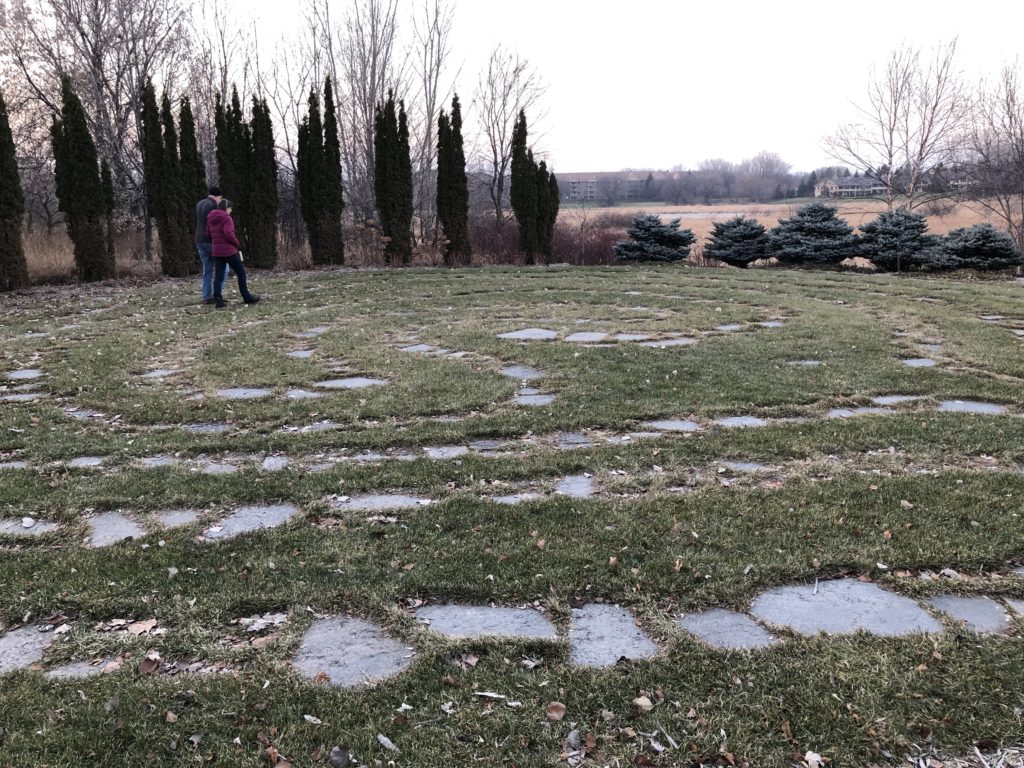
form of daily movement helps us be more cheerful. Walking the labyrinth daily since late 2018
has benefitted me. Grounding. Centering. Naming specific gratitudes as I walk.
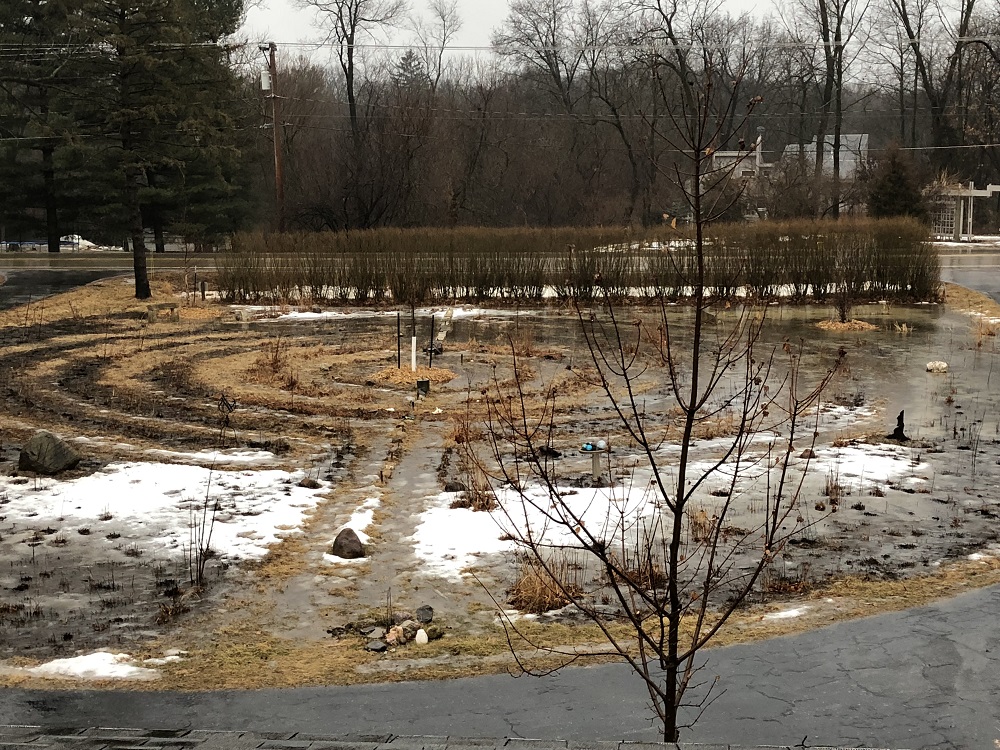
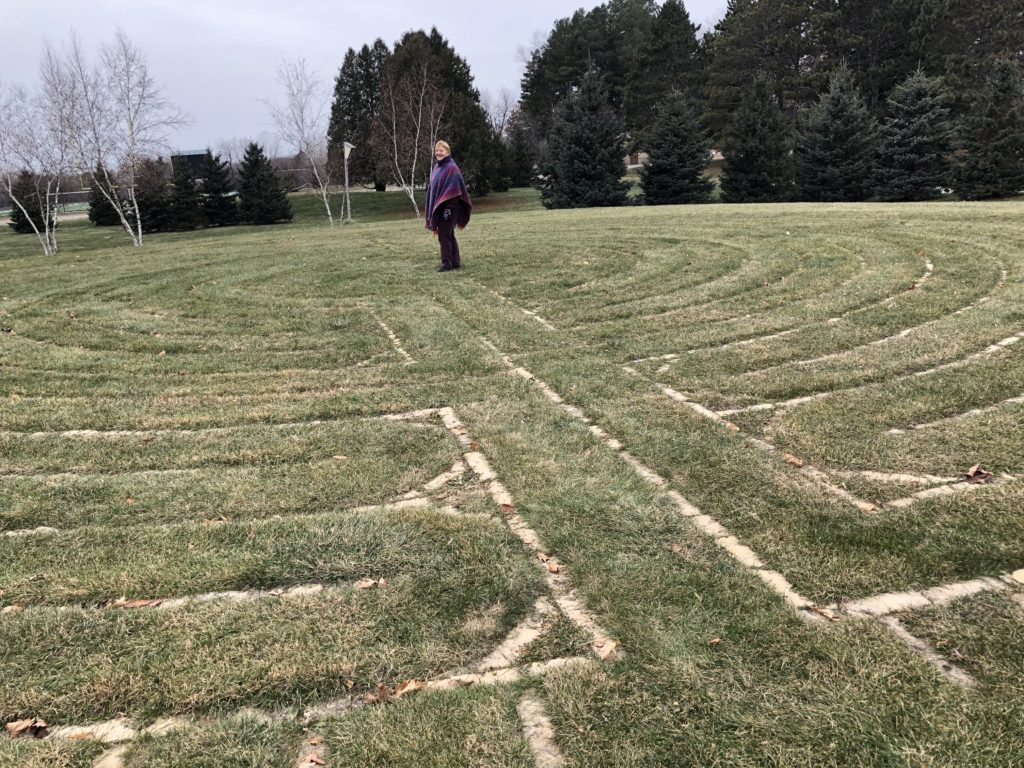
Appreciating the changes in the Phoenix Harmony Labyrinth.
Laughter
Online University has a great outlook on the neurotransmitters and hormones
that help lift us up. Then, we lift up others.
We create this better world most long for and which is badly needed.
When the next soft snow falls, go tracking outside! A late December 2019 skiff of snow delighted us. There was not enough of the white stuff to shovel but the thin white blanket that covered our yard revealed who visited the night before.
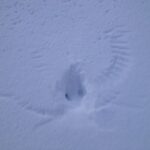
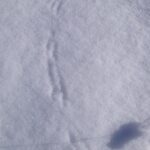
The dimples of deer tracks were clearly visible as we went out to get the newspaper, but one set of tracks was unusual and especially interesting. Four footprints, in a rough line, kept repeating with about three feet of untrod snow between them. Just what animal created them?
A skiff of snow is best for tracking.
Gottcha!
A small bird left tracks in the snow.
After a bit of sleuthing, we decided it was a coyote out seeking a mouse or rabbit dinner. Coyotes aren’t rare around our home but they aren’t in the yard often. We wish we could have watched it lope across the yard.
A skiff of snow makes for a delightful walk in the woods, grasslands, or wetlands. Often animals are easy to spot as their dark coats contrast with the white snow and tracking is superb. It’s usually not hard to figure out what animal made the tracks, and following them gives some idea of what the animal was doing and where it was going.
Many Websites and books help with track identification but we like www.naturetracking.com because it shows tracks of animals most likely to be in a backyard.
An outdoor run gives chickens more than fresh air and a place to exercise. Delicious tidbits are waiting to be discovered outside and break the monotony of daily mash or pellet meals.
Hens find food in even the smallest runs. Unfortunately, they quickly consume green grass yet still find earthworms and grubs while scratching. Occasionally they’ll even snatch a fly from the air, and if they can run down and catch a wandering mouse they’ll soon convert it to high protein food. At Winding Pathways our run is enormous, so our chickens enjoy greenery and insects all summer.
When the ground freezes and the snow flies the run remains a place for exercise, sunshine, and fresh air but there’s not much to eat there. Chickens are forced to dine on the same commercial mash day after day. It meets their nutritional needs but is boring!
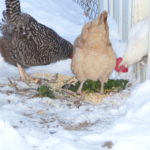
Chickens love treats.
We jazz up their diet with tasty snacks from our kitchen and mealworms.
Fortunately, chickens, like most humans, are omnivores and enjoy a diversity of food. They love most table scraps. On a cold winter morning a handful of leftover bread, pizza crust, salad bits, and meat or fish scraps is enthusiastically devoured.
We accumulate kitchen scraps in a small stainless-steel seamless bucket that’s easy to clean. Each morning we carry it outside. As soon as the hens see one of us carrying the bucket, they run toward us. Our compost bin is immediately outside the chicken run, making it easy to toss the foods chickens will eat into the run and drop the rest in the composter. Generally vegetable and fruit peels get composted while the rest goes into the run. Some people smash eggshells and give them to chickens, but we prefer composting them. By spring our composter has transformed the scraps we don’t give to chickens and decomposing coop litter into outstanding compost for the garden. At Winding Pathways everything organic is used and most is returned to the soil.
Every afternoon our hens get a special treat – a scoop of mealworms. They absolutely love them, and we use them to help manage the flock.
According to Cesar, Director of Marketing at Mealworms By the Pound, mealworms are an ideal chicken food supplement. Nearly all dried mealworms are produced in China. “They keep about two years as long as they’re stored in a sealed container,” he said.
We bought a 30-pound bag of the dried bug larvae in the fall. They’re expensive so we feed them sparingly as a special treat. We store the mealworms in a metal trash can with a tight-fitting lid and give the hens a small scoop every day. Thirty pounds last all winter. Small bags of dried mealworms can be bought in most stores that sell chicken feed or ordered online.
Our hens love them so much that they come running when we announce, “MEALWORM TIME!” with a husky voice. That’s especially helpful during afternoons when we want to close the pop hole door before sunset. We simply yell “MEALWORM TIME!”, scatter worms inside the coop, and close the pop hole door as soon as all the girls enter.
People tire of monotonous food served every day, and so do chickens. Commercial mash is an outstanding feed but giving hens special treats livens up their day.
Sunrise, sunset
Sunrise, sunset
Swiftly fly the years
One season following another
Laden with happiness and tears
(Fiddler on the Roof)
As 2018 draws to a close and different cultures celebrate traditions near and dear to their hearts, I take pause and reflect on this year of walking labyrinths daily.
When I began walking the Phoenix Harmony Labyrinth late December 2017, I didn’t realize I would commit to walking each day. Sunrise. Sunset. Wind. Rain. Snow. Cold. Hot. Still. In happiness. Sadness. Anger. Calm. Just because. With intention. With others. By myself. Content with nature. Content with self. In Gratitude.
In April when I attended Veriditas Council at Stony Point in NY state, one of the members, Chris Farrow-Noble gave me a book she had written and published on her year-long journey of walking labyrinths. The synchronicity of intent! So, I began reading her daily entries on the same day I would walk a labyrinth. And, feelings often walked hand-in-hand.
Later in the year, I had re-affirmed that a way to success is to scaffold a new habit on an existing habit. I have a habit of writing a gratitude on a sticky note and putting it in a jar on the kitchen counter. Out in the open where I pass several times a day. So, I simply started jotting a date and a comment on sticky notes and stacked them beside the jar.
Now, I have started scaffolding my fitness log on top of these two positive habits.
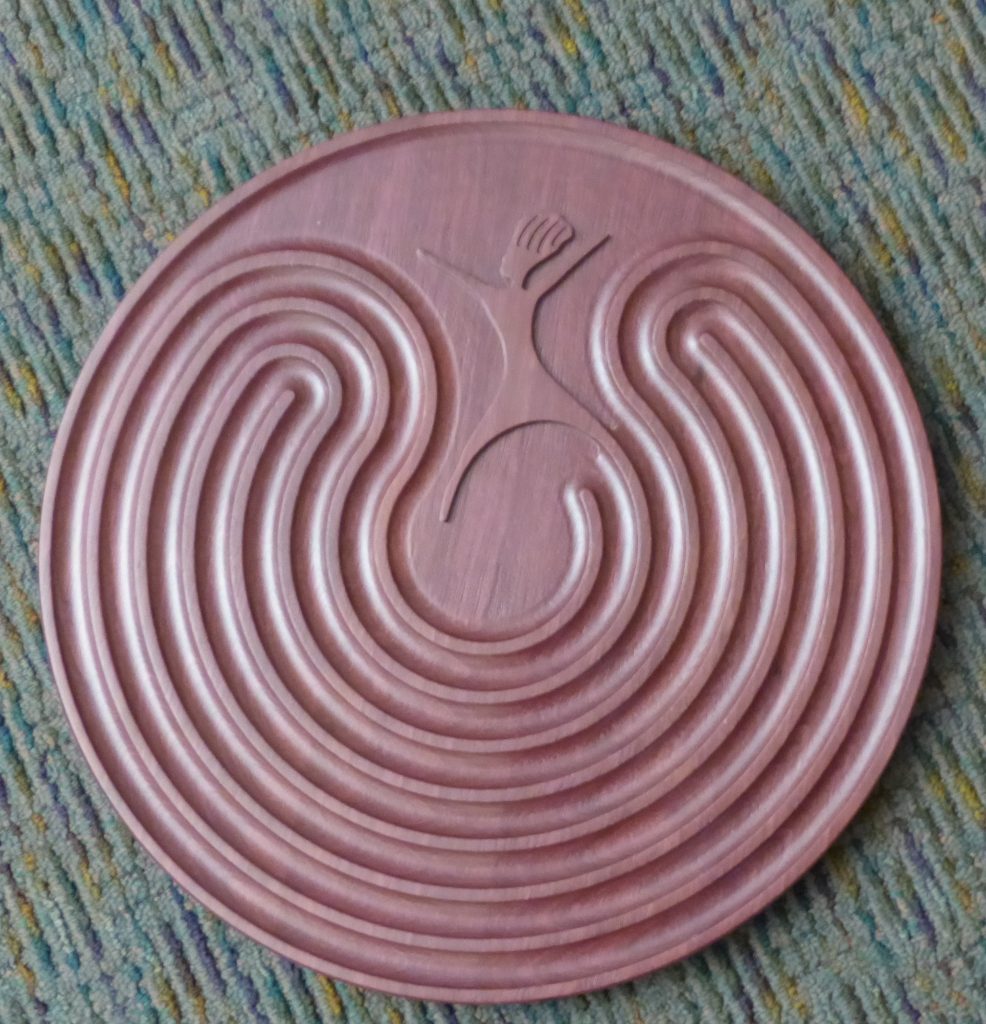
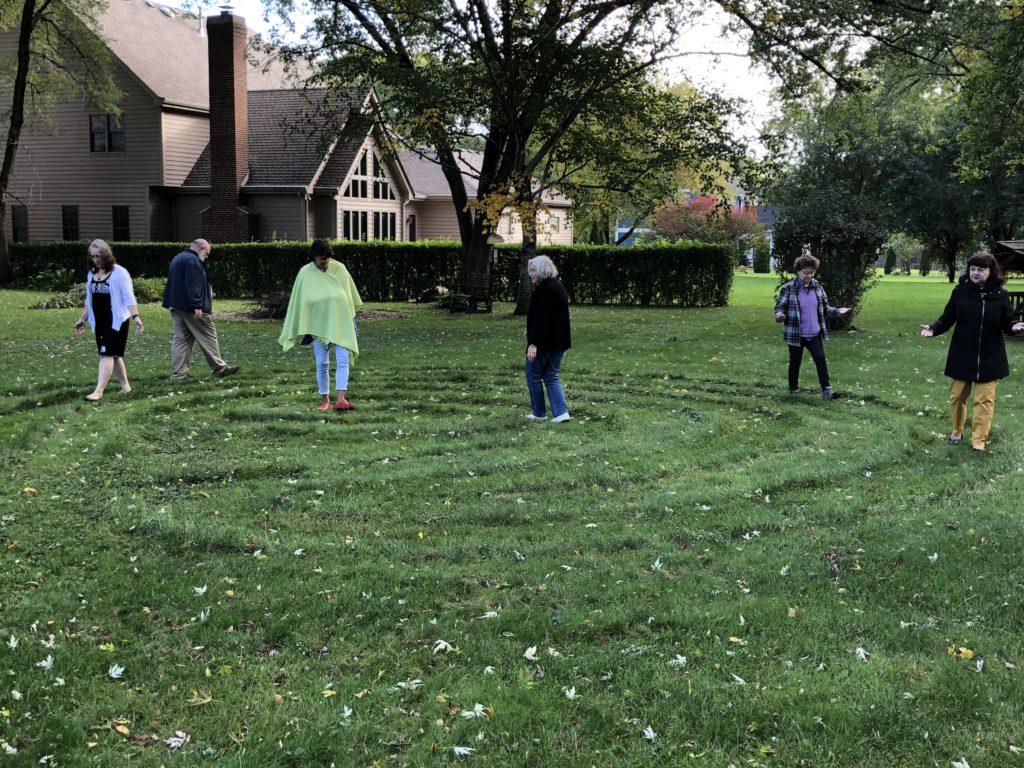
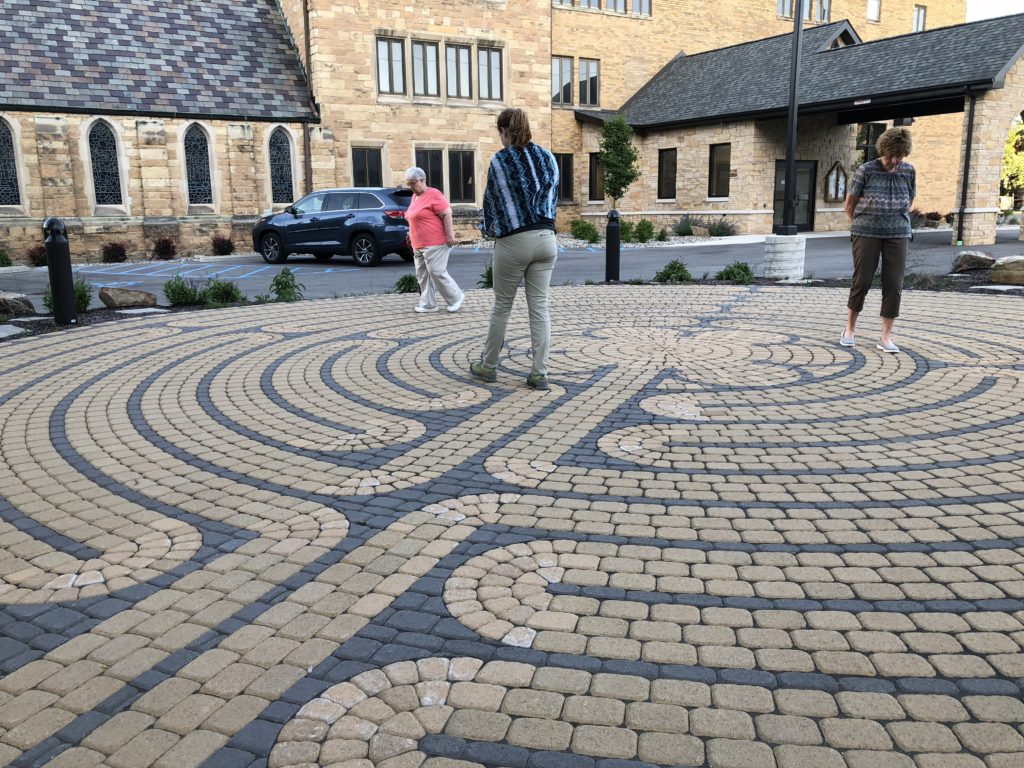
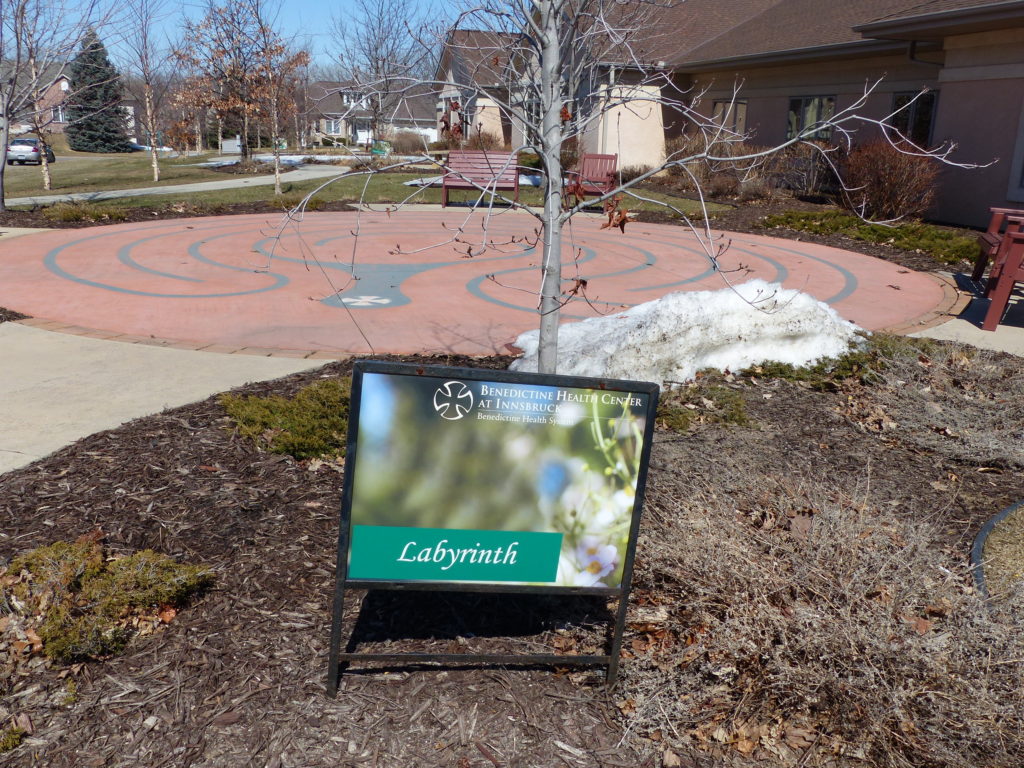
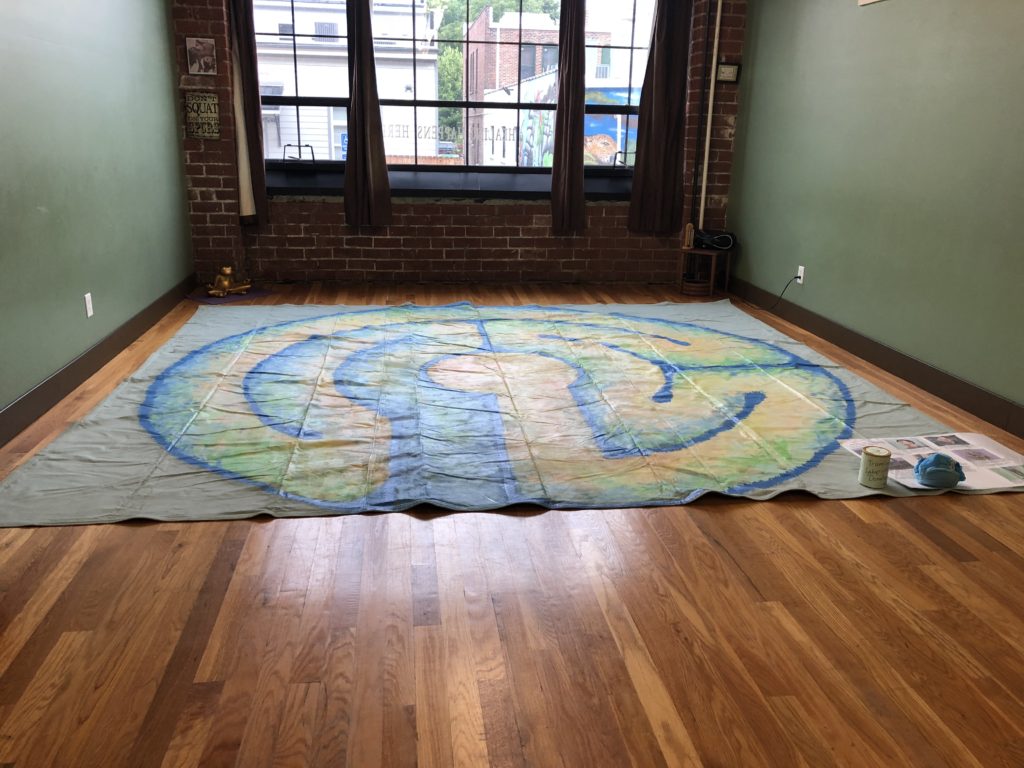
Once I thought about the labyrinths, I have walked this year I added them up. An incredible 32 different labyrinths throughout the year. Most outside. Some canvas. Others cloth. A few wooden lap ones.
Sunrise, sunset Sunrise, sunset Swiftly fly the years One season following another Laden with happiness and tears (Fiddler on the Roof)
As 2018 draws to a close and different cultures celebratetraditions near and dear to their hearts, I take pause and reflect on this year of walking labyrinths daily.
When I began walking the Phoenix Harmony Labyrinth late December2017, I didn’t realize I would commit to walking each day. Sunrise. Sunset. Wind. Rain. Snow. Cold. Hot. Still. In happiness. Sadness. Anger. Calm. Just because. With intention. With others. By myself. Content with nature. Contentwith self. Extending positive energy into the Universe to be received where itcan be accepted. In Gratitude.
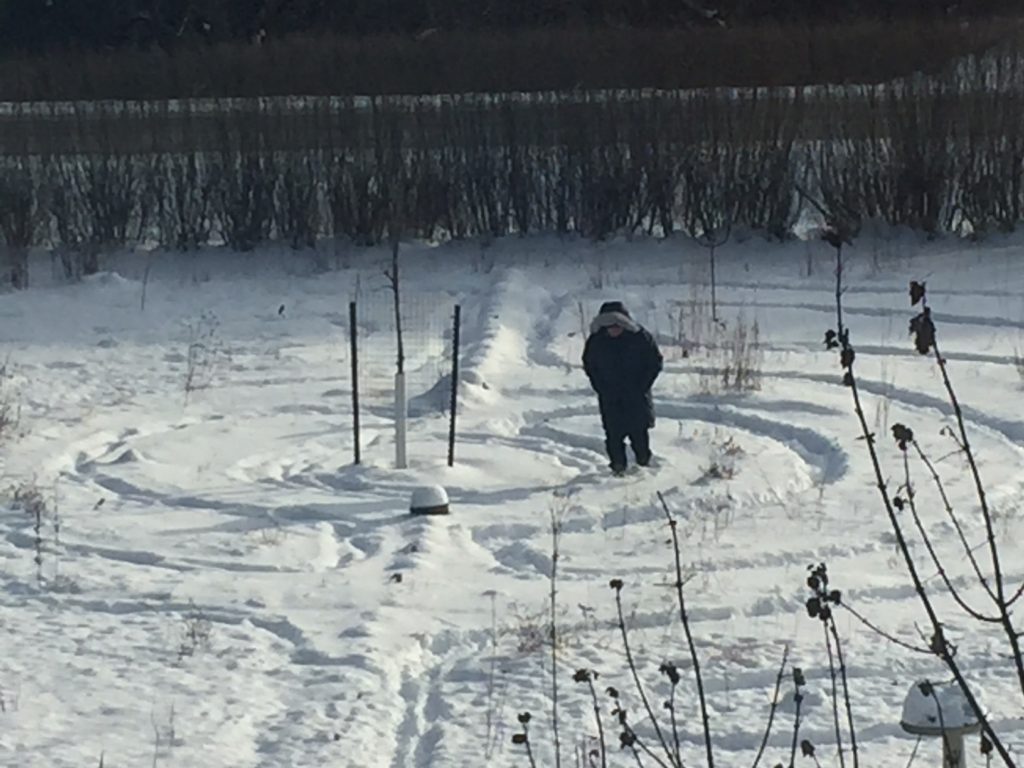
More recently, as the year closes, I simply enjoy the walk and listen to the sounds. Take in the sights. Become aware of the air around me– the fresh smell of the north wind, wood smoke from the chimney, acrid smell of the recent burn off of the labyrinth. Oh, and the southeast breeze wafting up the “odorless” sewer plant! The texture of the ground underfoot- squishy after a downpour, soft grass, crunchy ice, iron hard dirt, brittle burned stalks of grasses and forbs.
Changing of seasons
Many ways to walk a labyrinth
A pause before migration
Walking in winter
Coincidentally, I learned in April at the Veriditas Council at Stony Point in NY state, that one of the members, Chris Farrow-Noble, had also walked for a year and gave me a signed book she had written and published on her year-long journey of walking labyrinths. The synchronicity of intent! So, I began reading her daily entries on the same day I would walk a labyrinth. And, feelings often walked hand-in-hand.
With these hands….
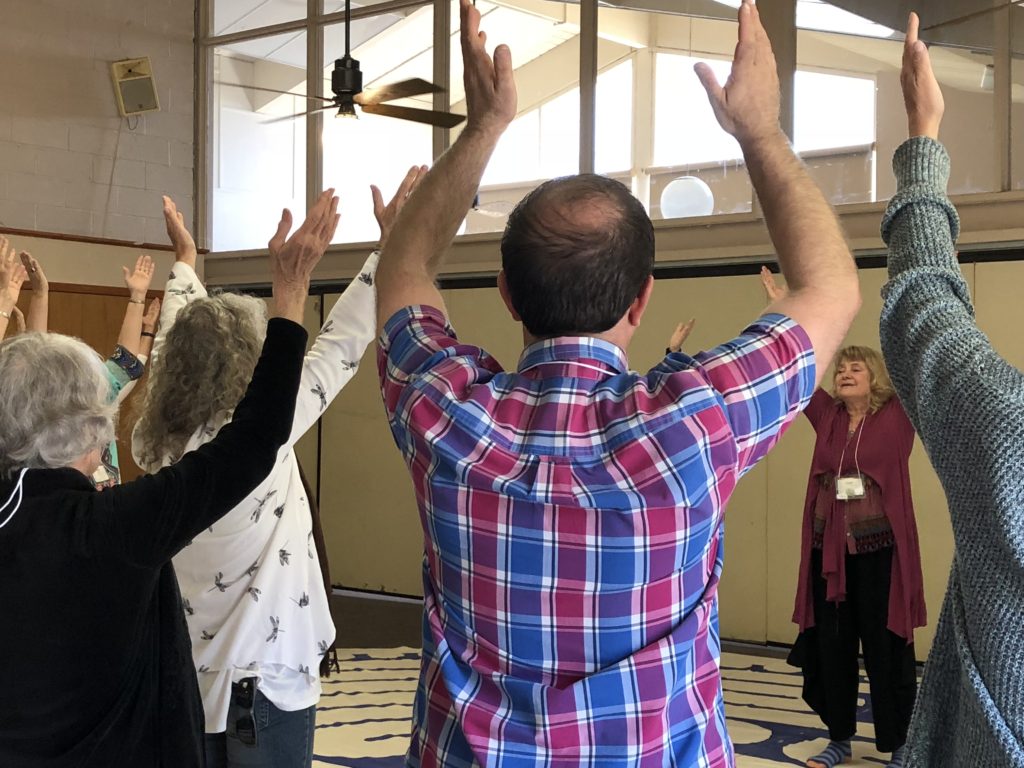
Holding the circle
Lighten Up!
Later in the year, I had re-affirmed that a way to success is to scaffold a new habit on an existing habit. I have a habit of writing a gratitude on a sticky note and putting it in a jar on the kitchen counter. Out in the open where I pass several times a day. So, I simply started jotting a date and a comment on sticky notes and stacked them beside the jar.
Stack a new habit on top of an existing habit.
Ellen’s heart labyrinth
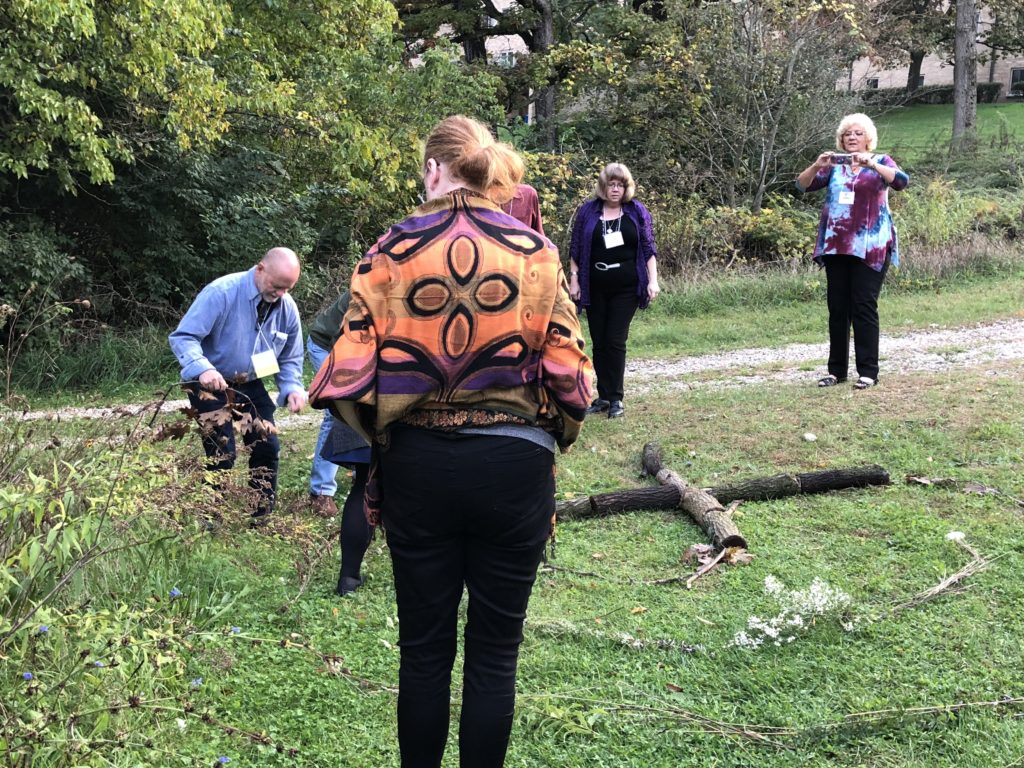
Creating an organic labyrinth at The Gathering
Now, I have started scaffolding my fitness log on top of
these two positive habits.
Once I thought about the labyrinths I have walked this year I added them up. An incredible 32 different labyrinths throughout the year. One about every eleven days. Most outside. Some canvas. Others cloth. A few wooden lap ones. And on rare occasions when I was flying and not at all in locations to use a cloth, lap or physical labyrinth, I used the palm technique of tracing a three-circuit labyrinth on my hands. It tickles!
Plymouth State University Campus
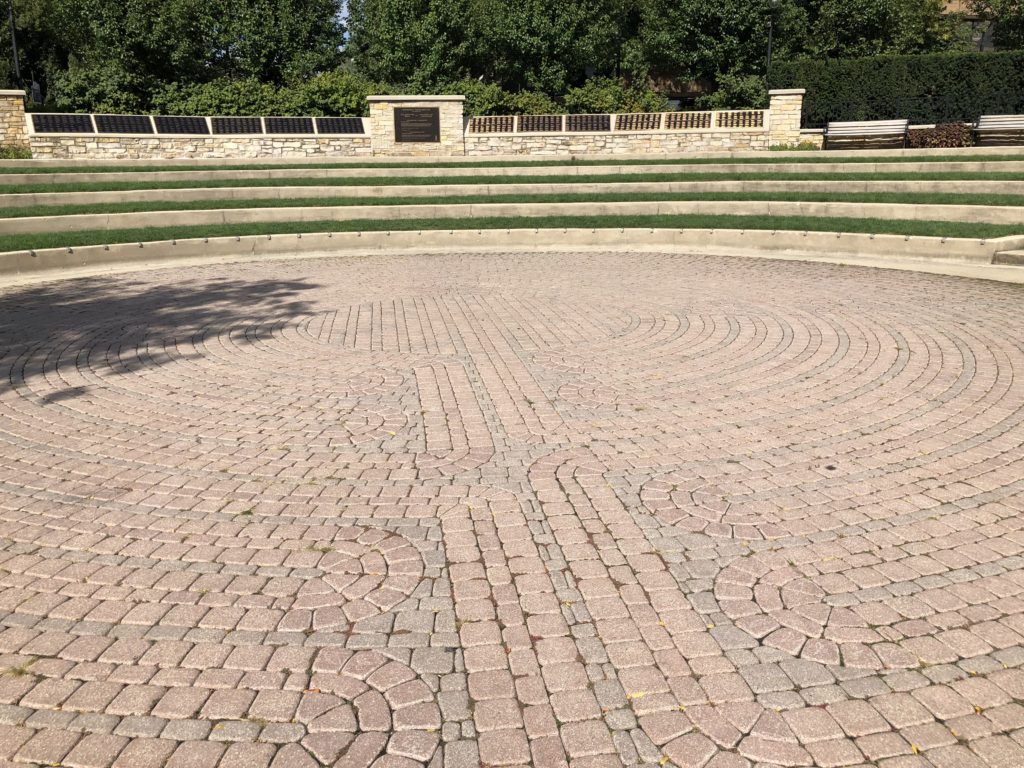
Riverwalk, Naperville, IL
Sharing labyrinths with Outdoor Writers Association of America members
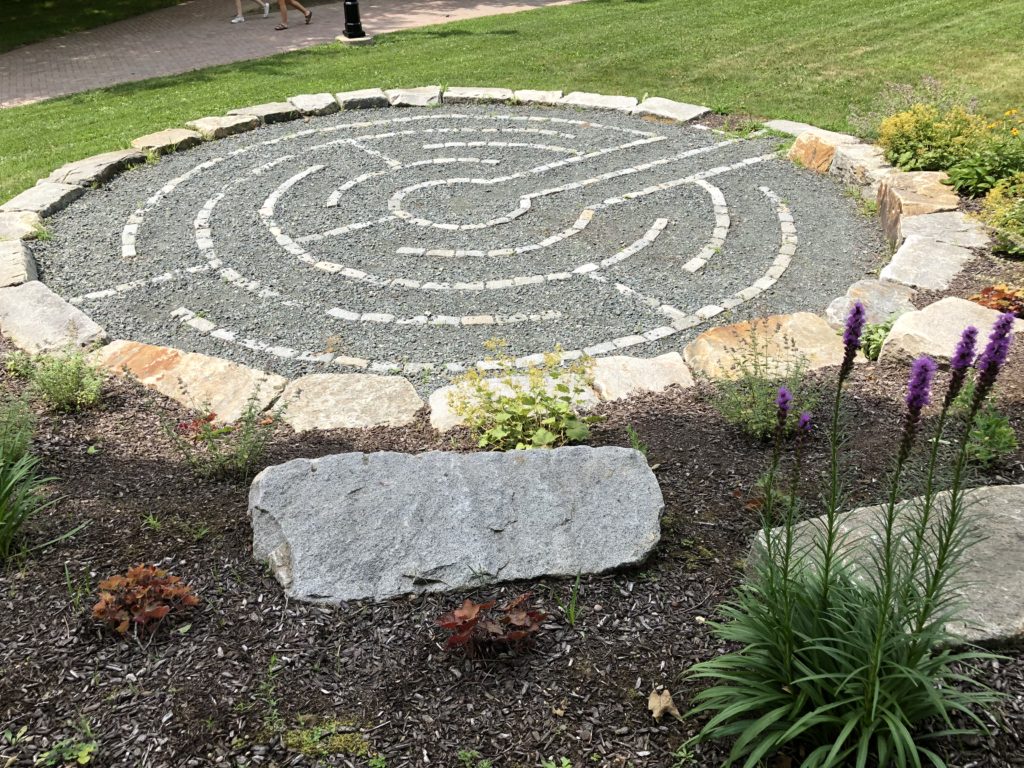
North end Cedar Lake, Denville, NJ
My thoughts are not deep or profound. It’s just been a good journey.
Labyrinths Around the Twin Cities
Hopi Emerging Labyrinth, Plymouth, MN
One of many beautiful labyrinths in Twin Cities
Lisa Gidlow Moriarty
Around the Midwest
Sinsinawa, WI
Blessing of the labyrinths at Prairiewoods Spirituality Center
Edith and Lynda’s charming three circuit
Stunning labyrinth in Minnesota
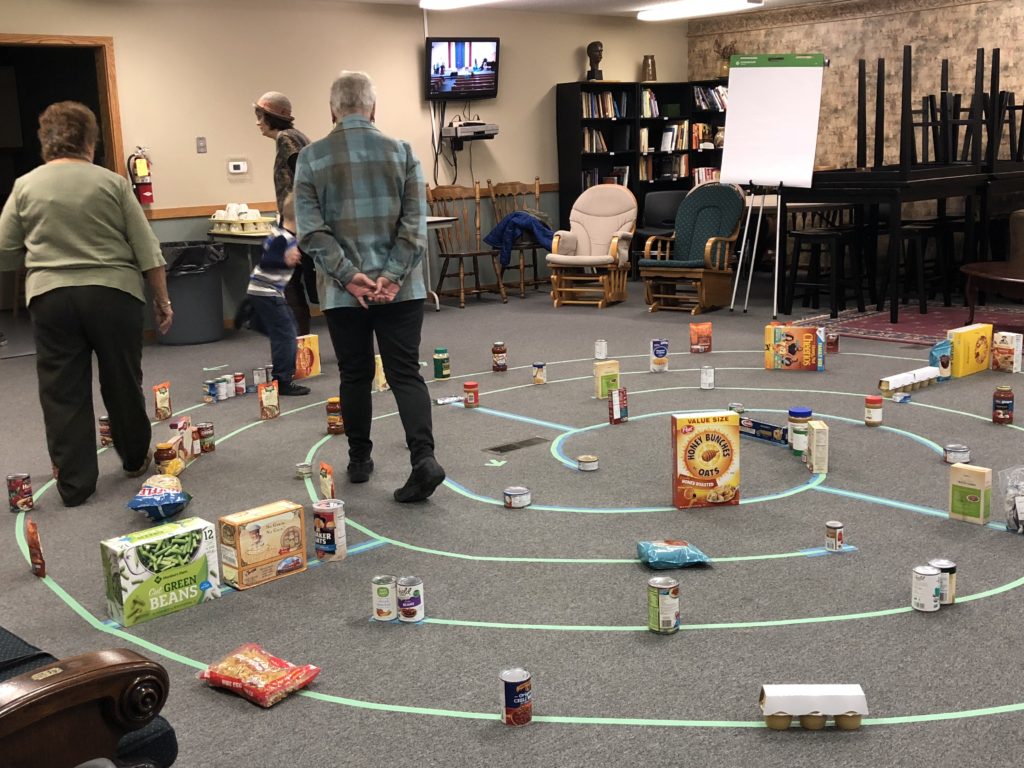
Food walk at Peoples Unitarian Universalist Church
Lots of boxelder bugs are traipsing through homes this winter to the consternation of human occupants. We reluctantly share our home with a few during cold months.
This amazingly common and crafty insect is a true bug named for common boxelder tree. You don’t have to have boxelder trees nearby to “enjoy” visits by the bug. Maples and ash trees of several species make suitable hosts. Since these trees are everywhere in suburbia it’s no wonder boxelder bugs pester so many people. The insect makes its living feeding on tree seeds and sap yet poses no threat to its host. Unlike the pests of many other trees, boxelder bugs don’t kill trees.
Come fall box elder bugs prepare for cold weather by tucking themselves into bark crevices to patiently wait out the cold. However, they would rather be warm. If a house is nearby, they seem to sense that soon the furnace will be going and indoors is the best place to overwinter.
How Boxelder Bugs Get In
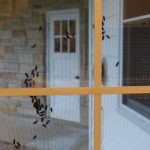
All this winter box elder bugs have gathered on warm sunny sides of homes.
Although they are fairly large insects boxelder bugs can crawl through tiny cracks and holes. Often, they swarm in the sun on the exterior of a house and some manage to find their way inside. Winter is spent idly exploring light fixtures, furniture, and walls.
They are not really a serious pest. Pesky might be a better way to describe them. Boxelder bugs neither bite nor sting. They do sometimes crawl on people and pets. Perhaps their most disagreeable characteristics are pooping and emitting a disagreeable odor if they are crushed. It’s this bad odor that protects them from predators. Hardly anything will eat a boxelder bug.
Getting Rid of Boxelder Bugs in Your Home
Want to rid the house of boxelder bugs? The best defense is a caulking gun. Late each summer seal up cracks that allow them to squeeze into the house. Look for cracks and holes around window and door frames and around wires and pipes leading into the home. Bugs discovered wandering around inside can be vacuumed up, and a shop vac can suck up hundreds sunning on the exterior. Dump them in soapy water and they’ll quickly drown. A hose can also knock them off an exterior wall. Insecticides kill them but perhaps create more problems than they solve. Some people report that spraying them with soapy water also kills them.
We’ve had some success at Winding Pathways in reducing the number of bugs we pick off walls and windows in the winter. We used to bring in a week’s worth of firewood and stack it near the woodstove. For years we didn’t realize boxelder bugs were hiding in the wood. Once they warmed up the insects set out exploring the house. Now we leave wood outside and only bring in a few pieces that go directly into the stove. It’s reduced, but not eliminated, the number of boxelder bugs inside.
Boxelder bugs aren’t harmful, but they are pesky and goofy. Caulking a home’s cracks can encourage them to winter outdoors in trees, rather than in homes. One speaker on Science Fridays quipped, “Boxelder bugs have nowhere to go and all day to get there.”